“Where there is breath, there is life; where there is no breath, there is no life.”
— Swami Sivananda, The Science of Pranayama
Proper Breathing (Pranayama)
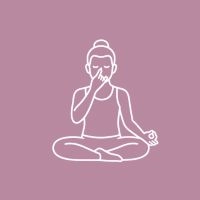
Breathing is constant, yet rarely noticed. Most people take shallow breaths, especially during stress. This limits oxygen intake and keeps the nervous system in a reactive state. Pranayama changes this by training the breath—slow, deep, and controlled.
A simple shift makes a difference. Try inhaling deeply through the nose, expanding the abdomen, then exhaling slowly. Within minutes, the mind settles. This is not theory; it is a direct physiological response. The breath acts as a bridge between body and mind.
Regular practice increases lung capacity and improves focus. It also helps manage anxiety, fatigue, and even sleep issues. You start noticing how your breath changes with emotions—and how you can influence those emotions by changing the breath.
The takeaway is practical. When the mind feels scattered, return to the breath. It gives you a tool you can use anywhere, without preparation.